

Home Staging Mistakes to Avoid
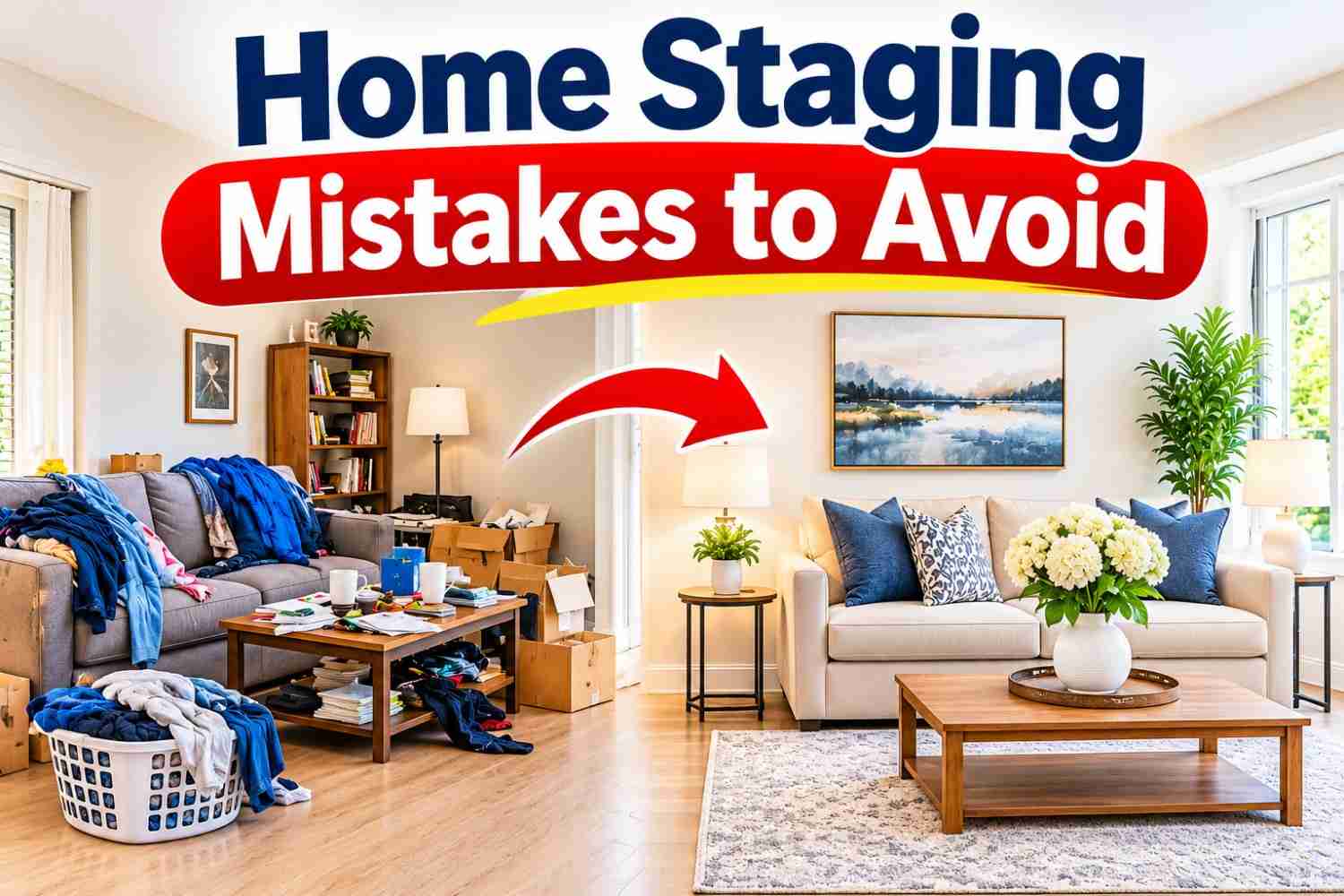
Selling a home involves more than setting the right asking price and listing it on the market. The way a property looks and feels during viewings can influence how potential buyers perceive it. A clean, organized, and thoughtfully presented home can help buyers imagine themselves living in the space.
Home staging is the process of preparing and presenting a property to make it appealing to prospective buyers. It may involve rearranging furniture, removing clutter, improving lighting, adding simple decorative touches, and highlighting the property's best features.
However, staging a home does not always require expensive furniture or major renovations. Sometimes, small changes can make a noticeable difference. On the other hand, certain staging mistakes can distract buyers, make rooms feel smaller, or prevent them from seeing the property's potential.
If you are planning to sell your home in British Columbia, here are some common home staging mistakes to avoid.
1. Leaving Too Much Clutter Around the House
One of the most common home staging mistakes is leaving personal belongings and unnecessary items throughout the property.
Crowded countertops, overflowing closets, piles of shoes, and decorative items covering shelves can make rooms appear smaller and less organized. Buyers may also find it difficult to focus on the actual features of the home.
Before listing your property, take time to declutter every room.
Start with:
Removing unnecessary furniture and decorative items.
Clearing kitchen countertops.
Organizing wardrobes and storage spaces.
Removing unused items from hallways.
Keeping bathroom surfaces clean and simple.
Organizing garages, basements, and storage rooms.
The goal is not to make your home look empty. It is to create a clean and balanced environment where buyers can easily understand the available space.
2. Keeping Too Many Personal Photographs and Decorations
Your home reflects your personality, memories, and lifestyle. However, buyers visiting your property need to imagine their own lives in the space.
Family photographs, personal collections, religious or political displays, and highly specific decorative items can make it harder for some buyers to picture the property as their future home.
Consider temporarily removing personal photographs and highly distinctive decorations.
Replace them with neutral artwork, simple decorative pieces, and subtle accessories that complement the room.
A more neutral presentation helps create a welcoming atmosphere without making the property feel completely lifeless.
3. Choosing the Wrong Furniture Arrangement
Furniture placement can significantly affect how buyers experience a room. Large furniture pieces or poorly arranged seating can make even spacious rooms appear cramped.
For example, placing a large sofa in the middle of a small living room may interrupt movement and make the space feel smaller than it actually is.
Before staging, evaluate the purpose and layout of each room.
Consider these simple adjustments:
Remove furniture that is not necessary.
Keep clear walking paths.
Avoid blocking windows and natural light.
Arrange seating to create a comfortable conversation area.
Make sure bedrooms have enough visible floor space.
Keep dining areas accessible and functional.
A good furniture arrangement should make the property feel spacious, practical, and easy to navigate.
4. Ignoring Lighting and Natural Brightness
Lighting plays an important role in how a home looks during property viewings. Dark rooms may feel smaller, less inviting, and less comfortable.
One mistake sellers make is relying entirely on existing lighting without considering how the rooms appear throughout the day.
Before a showing, open curtains and blinds to allow natural light into the property. Clean windows and replace any burnt-out bulbs.
You can also improve the lighting by:
Using suitable warm or neutral light bulbs.
Adding floor or table lamps in darker corners.
Keeping window areas free from unnecessary furniture.
Cleaning lampshades and light fixtures.
Making sure every room is properly illuminated.
A bright and welcoming home can help buyers appreciate its layout and interior features.
5. Overlooking Small Repairs and Maintenance
A beautifully decorated home can still leave a poor impression if buyers notice visible maintenance issues.
Loose cabinet handles, dripping taps, cracked tiles, damaged paint, squeaky doors, and broken light fixtures may suggest that the property has not been properly maintained.
These small problems may not always require significant investment, but ignoring them can distract buyers during viewings.
Before putting your home on the market, create a list of minor repairs that need attention.
Pay special attention to:
Door handles and cabinet hardware.
Leaking faucets.
Damaged walls and paint.
Loose tiles and flooring.
Broken switches and light fixtures.
Doors and windows that do not operate properly.
Taking care of these details can help present your property as a well-maintained home.
6. Using Too Many Colours and Decorative Accessories
Bright colours and bold decorations can make a home feel unique, but they may not appeal to every potential buyer.
For example, brightly painted walls, heavily patterned curtains, and too many decorative accessories can make a room feel visually crowded.
Home staging generally works best when the presentation is simple and balanced.
Consider using neutral colours such as white, beige, soft grey, or other subtle shades. These colours can create a clean appearance and help buyers focus on the room's size, layout, and natural features.
You do not need to remove every colourful item. A few cushions, plants, or carefully selected accessories can add warmth without overwhelming the space.
7. Neglecting the Exterior and Curb Appeal
First impressions often begin before buyers enter the house. The exterior of your property can influence how they feel about the home before they even see the interior.
A neglected entrance, overgrown garden, dirty driveway, or peeling exterior paint may create an unwelcoming impression.
Before arranging property viewings, pay attention to the outside of your home.
Some simple improvements include:
Mowing the lawn.
Trimming overgrown plants.
Sweeping the driveway and entrance.
Cleaning the front door.
Removing outdoor clutter.
Cleaning exterior windows.
Adding simple seasonal plants where appropriate.
You do not necessarily need an expensive landscaping project. Keeping the exterior clean and maintained can make the property more inviting.
8. Forgetting About Kitchens and Bathrooms
Kitchens and bathrooms are important areas that buyers often examine closely. These spaces should feel clean, functional, and well maintained.
Leaving dirty countertops, stained sinks, unorganized cabinets, or personal toiletries visible can take away from the overall presentation.
Before showings, clean these areas carefully.
For kitchens:
Clear unnecessary items from countertops.
Clean appliances and cabinet surfaces.
Organize visible shelves.
Remove rubbish.
Keep the sink and surrounding area clean.
For bathrooms:
Clean mirrors, sinks, and showers.
Put away personal toiletries.
Replace worn towels.
Keep floors dry and clean.
Remove unpleasant odours.
A clean kitchen and bathroom can help buyers focus on the property's condition and functionality.
9. Ignoring Unpleasant Smells
Odor's can affect a buyer's experience even when a property looks attractive. Cooking smells, pet odours, cigarette smoke, dampness, and overflowing garbage can make a home less inviting.
Simply using strong air fresheners or scented candles is not always the right solution. Strong fragrances may overwhelm visitors and can sometimes raise concerns about hidden odours.
Instead, identify and address the source of the smell.
Clean carpets, wash fabrics, empty garbage bins, ventilate rooms, and check areas where moisture may be present.
If there is a persistent damp or musty smell, investigate the underlying cause rather than trying to cover it up.
A fresh and clean environment can make property viewings more comfortable.
10. Spending Too Much Money on Staging
Another mistake is assuming that successful home staging requires expensive furniture, luxury decorations, or major renovations.
The purpose of staging is to highlight your property's strengths, not to transform it into a completely different home.
Before spending money, identify which improvements will make the biggest difference.
You may be able to improve your home's presentation through:
Decluttering and cleaning.
Rearranging existing furniture.
Improving lighting.
Adding a few simple accessories.
Completing minor repairs.
Refreshing the entrance and outdoor areas.
If professional staging is being considered, discuss the expected costs and services before making a decision. The right approach depends on the property's condition, target buyers, local market, and available budget.
11. Forgetting to Prepare for Property Photography
Online listings are often the first place buyers see a property. Poor photographs can make even an attractive home appear less appealing.
A common mistake is arranging professional photography before completing the staging process.
Before photographs are taken, make sure:
Every room is clean and organized.
Furniture is arranged properly.
Personal belongings are put away.
Curtains and blinds are positioned neatly.
Lights are working.
Kitchen and bathroom surfaces are clear.
Outdoor spaces are presentable.
Professional property photography can help communicate the home's layout and features more effectively. Good preparation allows the photographer to capture the property at its best.
Conclusion
Home staging can play an important role in preparing your property for sale. However, successful staging is not about spending the most money or following every interior design trend. It is about presenting your home in a clean, organized, and welcoming way so potential buyers can appreciate its features and imagine living there.
Avoiding common mistakes such as excessive clutter, poor furniture placement, inadequate lighting, neglected repairs, and unpleasant odours can improve the overall viewing experience.
If you are planning to sell your property in British Columbia, I, Jag Sidhu, can help you understand how to prepare your home for the market, identify areas that may benefit from improvement, and develop a selling approach suited to your property and local market conditions.
Remember, buyers are not just looking at rooms and furniture. They are considering whether a property could become their next home.
Frequently Asked Questions (FAQs)
1. What is home staging when selling a property?
Home staging involves preparing and presenting a property to make it more appealing to potential buyers. It may include decluttering, rearranging furniture, improving lighting, completing minor repairs, and adding simple decorative touches.
2. Is home staging necessary before selling a house?
Home staging is not compulsory, but it can help present a property in a more organized and welcoming way. The appropriate level of staging depends on the property's condition, target buyers, and local market.
3. What is the biggest home staging mistake sellers make?
One common mistake is leaving too much clutter and personal belongings around the home. This can make rooms appear smaller and distract buyers from the property's features.
4. Should I remove family photographs before showing my home?
Removing or reducing personal photographs can help create a more neutral environment. It allows buyers to focus on the property and imagine how they might use the space.
5. How much should I spend on home staging?
The cost depends on the property's size, condition, and staging requirements. Simple improvements such as cleaning, decluttering, and rearranging existing furniture may be enough for some properties.
6. Which rooms should I stage first?
Focus on the living room, kitchen, primary bedroom, and bathrooms. These areas often play an important role in how buyers evaluate a home's comfort, functionality, and overall presentation.
7. Does home staging increase property value?
Home staging does not guarantee a higher selling price. However, presenting a property effectively may improve buyers' perception and help make the home more attractive in the market.
8. Should I hire a professional home stager?
A professional home stager may be helpful if your property is vacant, has an unusual layout, or needs more extensive presentation improvements. Compare the services and costs before deciding.
9. How can I make my home look bigger during showings?
Remove unnecessary furniture, clear walkways, organize storage spaces, use suitable lighting, and keep surfaces uncluttered. These changes can help rooms feel more open and functional.
10. How can Jag Sidhu help me prepare my home for sale?
Jag Sidhu can help sellers understand local market expectations, identify presentation improvements, evaluate their property's selling position, and plan the next steps towards listing their home.

Jag Sidhu Personal Real Estate Corporation
Copyright © 2026 Jag Sidhu Personal Real Estate Corporation. All Rights Reserved
Powered by: genius office