

The Importance of a Home Inspection Before Closing in BC
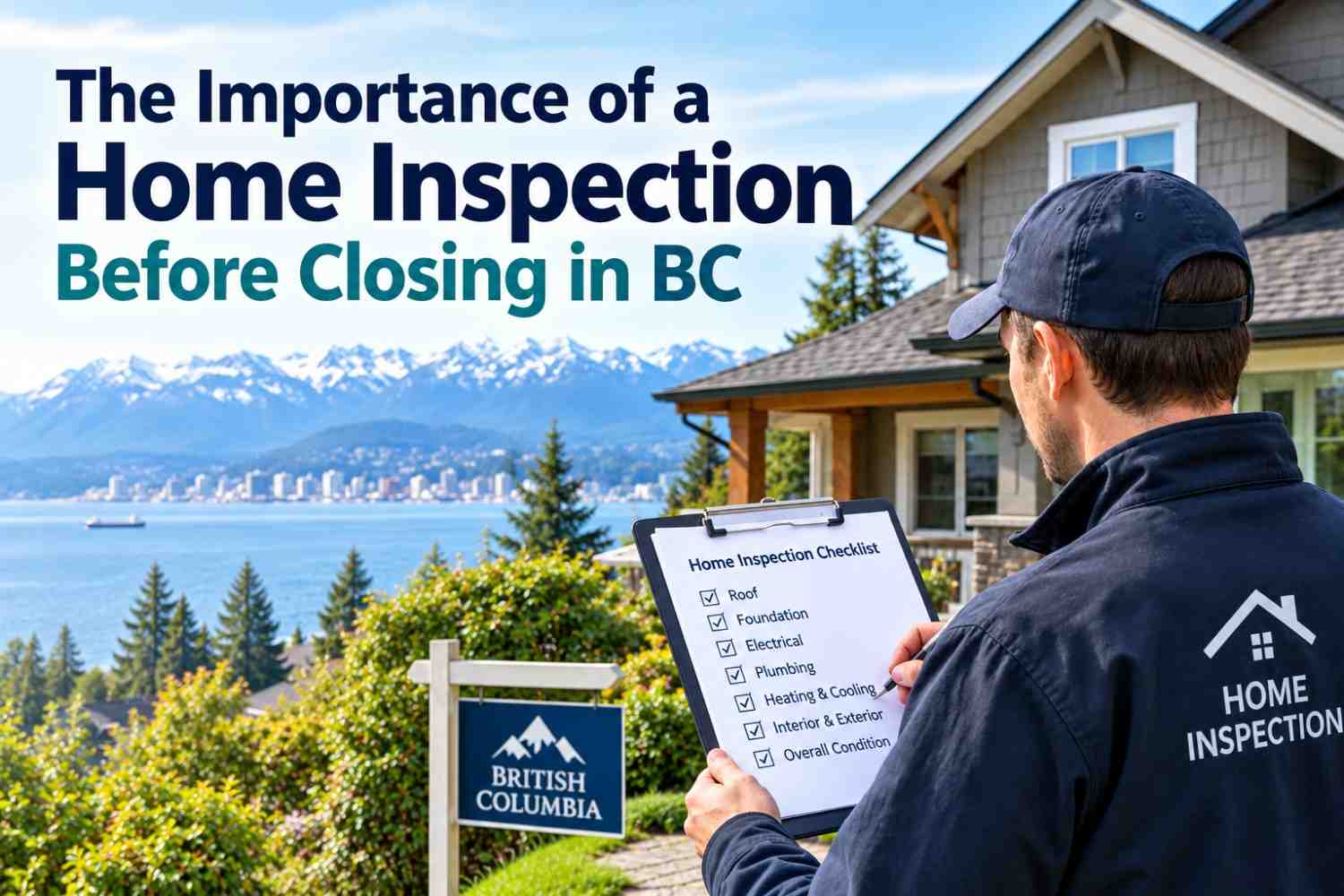
Buying a home is one of the biggest financial decisions a person can make. Whether you are purchasing your first home, upgrading to a larger property, or investing in real estate, understanding the condition of the property before completing the purchase is essential. In British Columbia (BC), a home inspection can help buyers identify potential problems, understand future maintenance needs, and make more informed decisions before closing.
A property may look beautiful during a viewing, but some issues are not immediately visible. Problems with the roof, foundation, plumbing, electrical systems, or heating equipment may require expensive repairs. A professional home inspection helps buyers understand the property's observable condition before they finalize the transaction.
As a real estate professional, Jag Sidhu believes that making informed decisions is an important part of the home-buying journey. Here is why a home inspection before closing deserves careful consideration.
1. Identify Potential Problems Before Closing
One of the main benefits of a home inspection is that it can reveal visible signs of problems that might otherwise go unnoticed during a regular property viewing.
A home inspector typically examines accessible areas and major components of the property, including the roof, foundation, walls, windows, plumbing, electrical systems, and heating and cooling equipment.
For example, an inspection may identify signs of water leakage, damaged roofing materials, foundation cracks, ventilation concerns, or plumbing issues. These findings can help buyers understand whether the property needs immediate attention or future maintenance.
A home inspection is generally a visual, non-invasive assessment, so it cannot identify every hidden defect. However, it provides useful information about the property's condition at the time of inspection.
2. Understand Potential Repair Costs
Purchasing a home involves more than paying the agreed purchase price. Buyers must also consider maintenance, repairs, insurance, property taxes, and other ownership expenses.
A home inspection can help identify components that may need repair or replacement. This information allows buyers to investigate potential costs before committing further to the purchase.
For instance, an ageing roof, a malfunctioning heating system, or evidence of water damage may require additional assessment by a qualified contractor.
The inspection report generally identifies observed deficiencies rather than providing a complete estimate of repair costs. Buyers should obtain independent quotes from appropriate professionals when significant issues are discovered.
Understanding these potential expenses can help buyers prepare a more realistic budget and avoid unexpected financial pressure after moving in.
3. Make a More Informed Purchasing Decision
Buying a home is an emotional experience, especially when a property meets your expectations in terms of location, design, and lifestyle. However, it is equally important to evaluate the property's physical condition.
A home inspection provides information that goes beyond the appearance of the property. It helps buyers consider whether the home meets their needs and whether its condition aligns with their budget.
After reviewing the report, buyers can discuss the findings with their real estate professional and decide how to proceed.
Depending on the purchase agreement and the nature of the findings, the buyer may explore repairs, seek further specialist assessments, negotiate appropriate changes, or reconsider the transaction if a relevant contractual condition permits it.
The objective is to make a decision based on available information rather than relying solely on the property's appearance.
4. Check Major Systems and Structural Components
A home consists of several systems that work together to provide comfort, safety, and functionality. A professional inspection can help assess the visible condition of many of these components.
Important areas may include:
Roof and exterior:
Signs of roof damage, deteriorating exterior materials, and visible drainage concerns.
Foundation and structure:
Observable cracks, signs of movement, and other potential structural concerns.
Plumbing:
Visible leaks, drainage problems, and the condition of accessible fixtures.
Electrical systems:
Observable concerns involving accessible electrical components and installations.
Heating and cooling:
The apparent condition and operation of accessible heating, ventilation, and cooling equipment.
Windows and doors:
Visible damage, operation issues, and potential signs of moisture intrusion.
Attic and insulation:
Accessible areas where ventilation, insulation, or moisture concerns may be observed.
The exact scope depends on the inspection agreement and the areas that can be safely accessed. Some concerns, such as suspected mould, asbestos, radon, or major structural issues, may require separate testing or specialist evaluation.
5. Reduce the Risk of Unexpected Expenses
Unexpected home repairs can affect a buyer's finances, particularly when several problems arise shortly after moving in.
A home inspection can help buyers identify maintenance concerns before closing, giving them an opportunity to understand the possible implications of those findings.
For example, discovering a potential drainage problem before completing the purchase allows the buyer to investigate the issue rather than learning about it only after heavy rainfall.
Similarly, identifying a deteriorating roof may help a buyer plan for a replacement or obtain a professional assessment of its remaining service life.
An inspection cannot eliminate every financial risk associated with homeownership. Nevertheless, it can provide valuable information that supports better financial planning.
6. Support Negotiations When Necessary
A home inspection report may provide useful information during discussions between a buyer and seller.
If the inspection identifies significant deficiencies, the buyer may wish to discuss the findings and explore possible solutions. Depending on the circumstances, these discussions could involve a repair arrangement, a price adjustment, or another mutually acceptable solution.
However, the inspection does not automatically require the seller to complete repairs or reduce the purchase price. Any changes depend on the agreement between the parties and the applicable contractual terms.
Buyers should review their purchase agreement carefully and consult their real estate professional or lawyer before taking action.
In British Columbia, the wording and deadlines of an inspection condition can be particularly important. Buyers should understand these requirements before making an offer or deciding to proceed without an inspection.
7. Understand the Importance of Inspection Conditions
A home inspection condition in a Contract of Purchase and Sale can give a buyer an opportunity to arrange an inspection and evaluate its findings before proceeding, subject to the terms of the agreement.
However, buyers should not assume that every offer automatically includes this protection.
In competitive markets, some buyers may consider making offers without an inspection condition to make their offers more attractive. This decision carries risks because certain defects and repair costs may only become apparent after the purchase.
Before waiving an inspection condition, buyers should understand the potential consequences and obtain appropriate professional advice.
The best approach is to understand the risks, review the contract carefully, and make a decision that suits your circumstances.
8. Choose a Qualified Home Inspector
The quality of an inspection depends partly on the inspector's qualifications, experience, and the scope of work agreed upon.
In British Columbia, home inspectors must be licensed by Consumer Protection BC. Before hiring an inspector, buyers should verify the licence and review the services included in the inspection.
Consider the following steps:
Check the inspector's current licence.
Ask about experience with similar property types.
Review the written inspection agreement.
Confirm what areas and systems will be examined.
Ask when the written report will be delivered.
Attend the inspection if possible and ask questions.
Request clarification about significant findings.
Obtain independent estimates for major repairs where necessary.
A good inspection should help buyers understand both the findings and the limitations of the assessment.
9. Review the Inspection Report Before Closing
Receiving the inspection report is only part of the process. Buyers should take the time to understand the findings and identify any issues that need further attention.
Some findings may relate to routine maintenance, while others could indicate a more significant concern. Buyers should ask the inspector to explain anything they do not understand.
If the report identifies potential structural problems, electrical safety concerns, water intrusion, or other major deficiencies, consider obtaining advice from the relevant specialist.
It is also important to remember that a home inspection is not a guarantee that the property is free from defects. The report reflects the inspector's observations within the agreed scope and accessible areas.
Reviewing the report promptly allows buyers to discuss relevant concerns before contractual deadlines expire.
10. Why a Home Inspection Matters for Different Types of Properties
The value of an inspection applies to different types of residential properties, although the areas requiring attention may vary.
Detached houses: Buyers may want to pay particular attention to the roof, foundation, drainage, exterior, heating systems, and other components that may require substantial maintenance.
Condominiums: An inspection of the individual unit can help identify visible issues inside the property. Buyers should also review relevant strata documents to understand the building's maintenance history, finances, and planned repairs.
Older homes: Older properties may require closer attention to ageing systems, previous renovations, insulation, plumbing, and other components. Additional specialist inspections may be appropriate depending on the property's characteristics.
Newer homes: New construction does not automatically mean that a property is free from deficiencies. Buyers may benefit from an appropriate inspection or pre-delivery walkthrough to identify incomplete work or visible concerns.
Every property is different, so the inspection should be appropriate for the home's age, type, and condition.
Conclusion
A home inspection before closing is an important step towards making an informed real estate decision in British Columbia. It can help buyers identify visible problems, understand maintenance requirements, investigate potential repair costs, and evaluate whether a property meets their expectations.
As a real estate professional, Jag Sidhu encourages buyers to look beyond a property's appearance and understand its condition before completing a purchase. Taking the time to arrange a professional inspection, review the report, and investigate significant concerns can help buyers approach homeownership with greater confidence.
Whether you are purchasing your first home or adding another property to your portfolio, proper preparation and professional guidance can make a meaningful difference. Before closing on your next home in BC, consider making a home inspection an important part of your buying process.
Frequently Asked Questions (FAQs)
1. Is a home inspection necessary before closing in BC?
A home inspection is not universally mandatory for residential purchases in British Columbia, but it is a valuable step for understanding a property's condition before completing the purchase.
2. What does a home inspector check in British Columbia?
A home inspector typically examines accessible areas and major components, including the roof, foundation, plumbing, electrical systems, windows, and heating equipment. The exact scope depends on the inspection agreement.
3. How long does a home inspection take?
The duration depends on the property's size, age, condition, and accessibility. Buyers should confirm the expected inspection duration with their chosen inspector.
4. Can a home inspection identify every problem with a property?
No. Most home inspections are visual and non-invasive. Hidden defects, inaccessible areas, and specialized concerns may require additional testing or expert assessment.
5. Can I negotiate the price after a home inspection in BC?
You can discuss the inspection findings with the seller, but a price reduction or repair agreement is not automatic. Any changes depend on the parties' agreement and the terms of the purchase contract.
6. Should I attend the home inspection?
Attending can be helpful because you can ask questions, learn about the home's systems, and better understand the inspector's findings.
7. Can I back out of a home purchase after an inspection?
Whether you can withdraw depends on the terms of your purchase agreement and any applicable conditions, deadlines, and legal rights. Seek advice from your real estate professional or lawyer before taking action.
8. How do I choose a home inspector in BC?
Verify that the inspector is licensed by Consumer Protection BC, review their experience, confirm the inspection scope, and obtain a written agreement before proceeding.
9. Does a new home need an inspection before closing?
A newer home can still have visible deficiencies or incomplete work. An appropriate inspection or pre-delivery walkthrough can help identify concerns before possession.
10. What should I do if my home inspection reveals major problems?
Ask the inspector to explain the findings and consider obtaining an assessment from a qualified specialist. Review your purchase agreement and discuss your options with your real estate professional or lawyer before any relevant deadlines expire.
11. How does a home inspection help first-time homebuyers?
It helps first-time buyers understand the property's observable condition, identify potential maintenance needs, and plan for possible repairs before committing to homeownership.
12. What does Jag Sidhu recommend before closing on a home?
Jag Sidhu recommends arranging a professional home inspection, reviewing the report carefully, investigating significant concerns, and understanding the terms of the purchase agreement before completing the transaction.

Jag Sidhu Personal Real Estate Corporation
Copyright © 2026 Jag Sidhu Personal Real Estate Corporation. All Rights Reserved
Powered by: genius office