

What Is Included in Closing Costs When You Buy a Home?
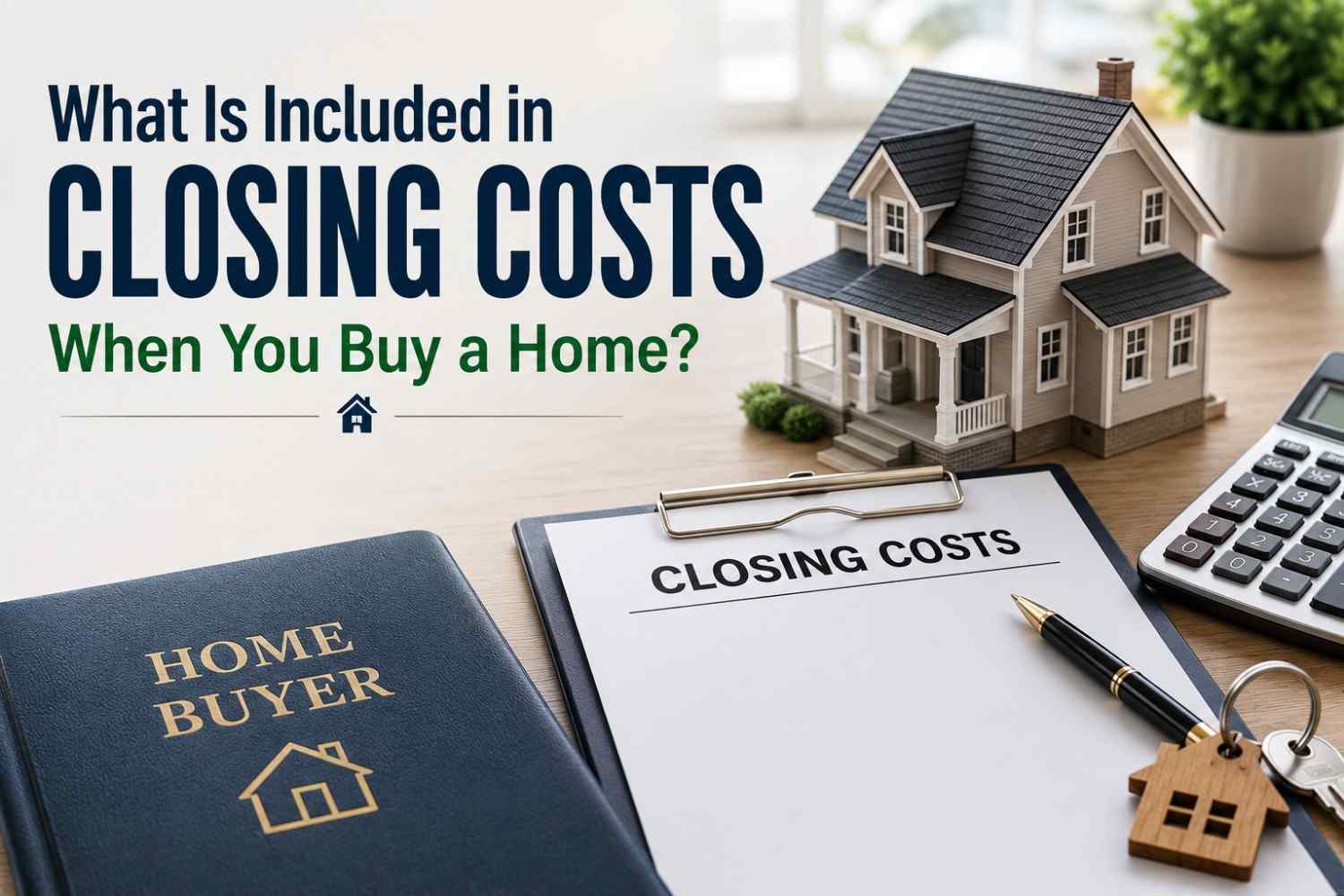
Buying a home in Canada involves more than just saving for a down payment. One of the most overlooked aspects of the home-buying process is closing costs—the additional expenses you must pay before officially taking ownership of your property.
Understanding these costs in advance can help you budget smarter and avoid last-minute surprises.
What Are Closing Costs?
Closing costs are one-time fees and expenses paid on or before your closing date, separate from your down payment.
In Canada, buyers typically pay between 1.5% and 5% of the home’s purchase price in closing costs, depending on the property, location, and mortgage details.
What Is Included in Closing Costs?
Here’s a detailed breakdown of the most common costs you can expect:
1. Land Transfer Tax
This is often the largest closing cost.
• Charged when ownership of a property is transferred
• Varies by province and municipality
• Some cities (like Toronto) charge an additional municipal tax
This tax alone can add thousands to your total cost.
2. Legal Fees and Disbursements
A real estate lawyer is essential to finalize the transaction.
• Handles title search and legal paperwork
• Registers the property in your name
• Coordinates with your lender
Legal fees typically range from $500 to $1,000+, depending on complexity.
3. Home Inspection Fee
Before closing, it’s highly recommended to inspect the property.
• Identifies structural or hidden issues
• Helps avoid unexpected repair costs
Typical cost: $250 to $500.
4. Property Appraisal Fee
If you’re getting a mortgage, your lender may require an appraisal.
• Confirms the property’s market value
• Protects the lender’s investment
Cost usually starts around $300 or more.
5. Title Insurance
Title insurance protects you against:
• Ownership disputes
• Title fraud
• Errors in public records
It’s a one-time fee paid during closing and is often required by lenders.
6. Property Tax Adjustments
If the seller has prepaid property taxes, you’ll need to reimburse them for your portion after possession.
This amount is calculated and adjusted during closing.
7. Mortgage Insurance (If Applicable)
If your down payment is less than 20%, you may need mortgage insurance through CMHC.
• The premium is often added to your mortgage
• However, provincial sales tax on the premium must be paid upfront
8. GST/HST on New Homes
If you’re buying a newly built home:
• GST or HST may apply
• Can significantly increase upfront costs
In some cases, rebates may be available depending on eligibility.
9. Land Survey Fee
A land survey confirms property boundaries.
• Required by some lenders
• Costs range from $500 to $1,500 if a new survey is needed
10. Home Insurance (Fire Insurance)
Before closing, you must arrange home insurance:
• Protects your property and belongings
• Required by mortgage lenders
This is often paid annually or monthly but must be active before closing.
11. Additional Costs to Consider
While not always categorized strictly as closing costs, you should also budget for:
• Moving expenses
• Utility setup fees
• Condo fees (if applicable)
These can still impact your total upfront cost significantly.
Why Closing Costs Matter
Many first-time buyers focus only on the down payment and forget these additional expenses.
Closing costs are critical because:
• They must be paid upfront (not usually added to your mortgage)
• They can significantly impact your overall affordability
• Lenders may require proof that you can cover them
Failing to plan for these costs can delay—or even cancel—your home purchase.
Final Thoughts
Closing costs are a crucial part of buying a home in Canada, and understanding what they include can help you avoid financial stress.
From legal fees and land transfer taxes to inspections and insurance, these expenses ensure your transaction is secure, compliant, and complete.
Planning to buy a home?
Work with Jag Sidhu for expert guidance, transparent advice, and a smooth closing experience.
FAQs
1. How much are closing costs in Canada?
Closing costs typically range from 1.5% to 5% of the home’s purchase price, depending on location and property type.
2. Are closing costs included in the mortgage?
No, closing costs are usually paid upfront and are separate from your mortgage and down payment.
3. What is the biggest closing cost for buyers
The land transfer tax is often the largest expense, especially in provinces with higher tax rates.
4. Do first-time home buyers pay lower closing costs?
Some first-time buyers may qualify for rebates or tax credits, especially on land transfer taxes, depending on the province.
5. Can closing costs be reduced?
Yes, you can reduce costs by:
• Negotiating with the seller
• Comparing legal and lender fees
• Exploring first-time buyer incentives
6. Do closing costs include the down payment?
No, closing costs are separate from your down payment and must be budgeted in addition to it.
Jag Sidhu Personal Real Estate Corporation
Copyright © 2026 Jag Sidhu Personal Real Estate Corporation. All Rights Reserved
Powered by: genius office